
Tilicho Labs

Blogs

Insights, updates, and technical notes from the Tilicho Labs team.

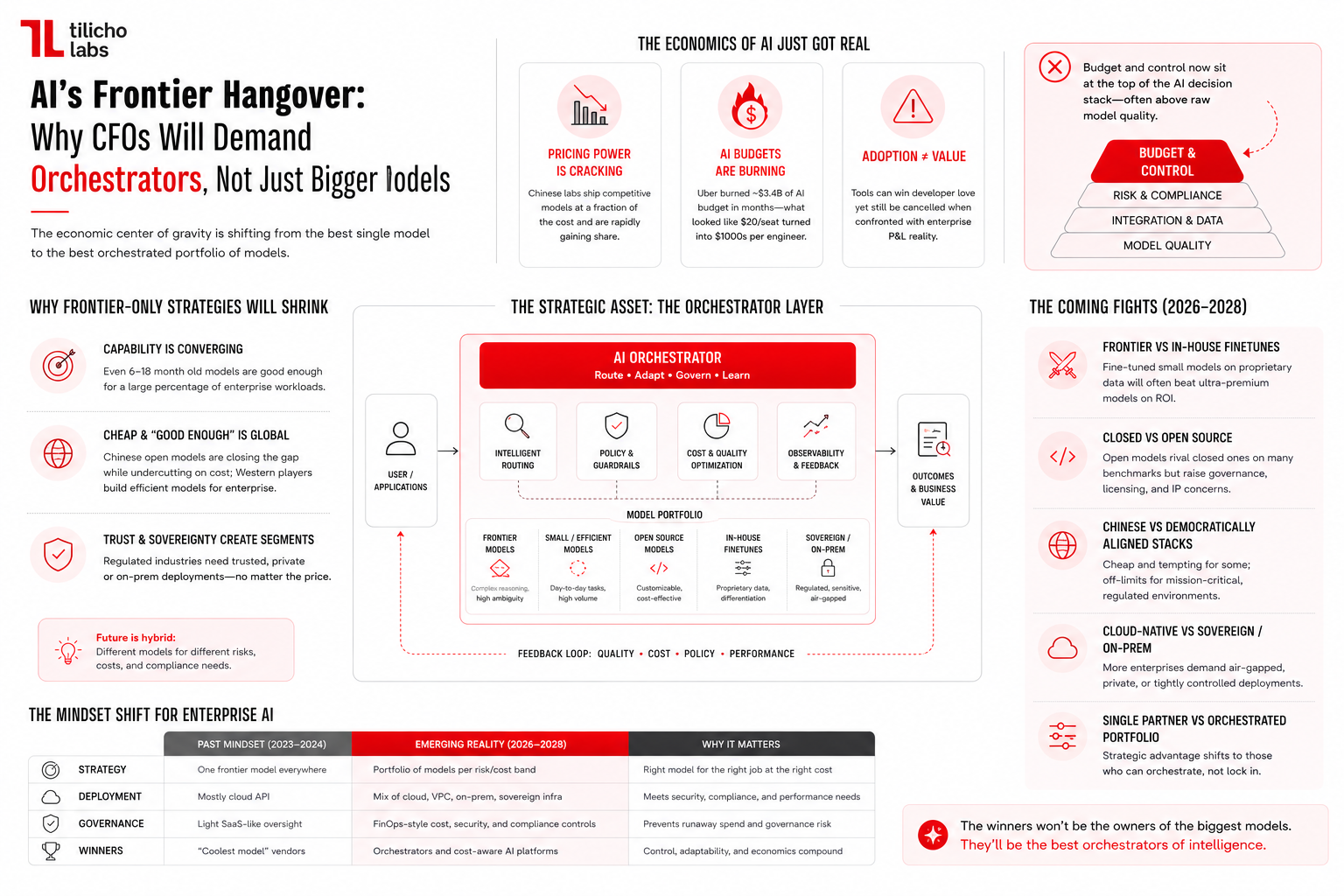
AI’s Frontier Hangover: Why CFOs Will Demand Orchestrators, Not Just Bigger Models

The biggest enterprise AI story of 2026 is not that models are getting smarter. It is that the economics of using them at scale are becoming impossible to ignore. AI may win developer preference, but enterprise adoption is ultimately governed by budget, control, governance, and accountability. The recent Uber and Microsoft examples around Claude Code make that point sharply. A tool can win developer love and still lose with finance once usage-based costs become visible. The lesson is bigger tha

Read article

From Copilots to Operating Models: What CXOs Should Do After Google I/O 2026

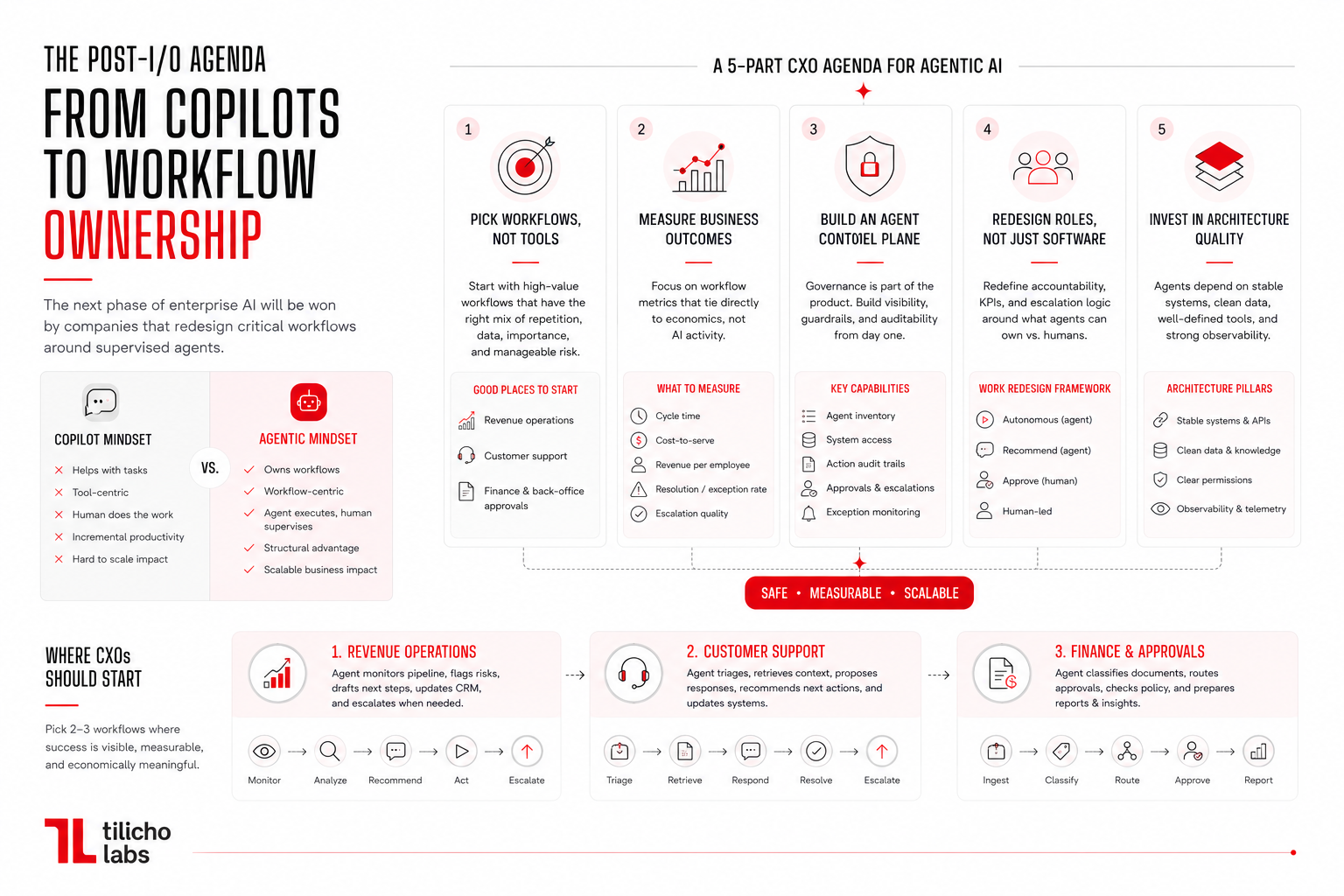
Google I/O 2026 made one thing clear: the next phase of enterprise AI will not be won by companies that deploy the most copilots. It will be won by companies that redesign a small number of critical workflows around supervised agents. That distinction matters because most organizations are still optimizing at the wrong level. They are buying tools, enabling pilots, and measuring local productivity improvements. Useful, yes. Transformative, no. The real opportunity is to move from task assistan

Read article

Google I/O 2026 and the Enterprise Reality of AI

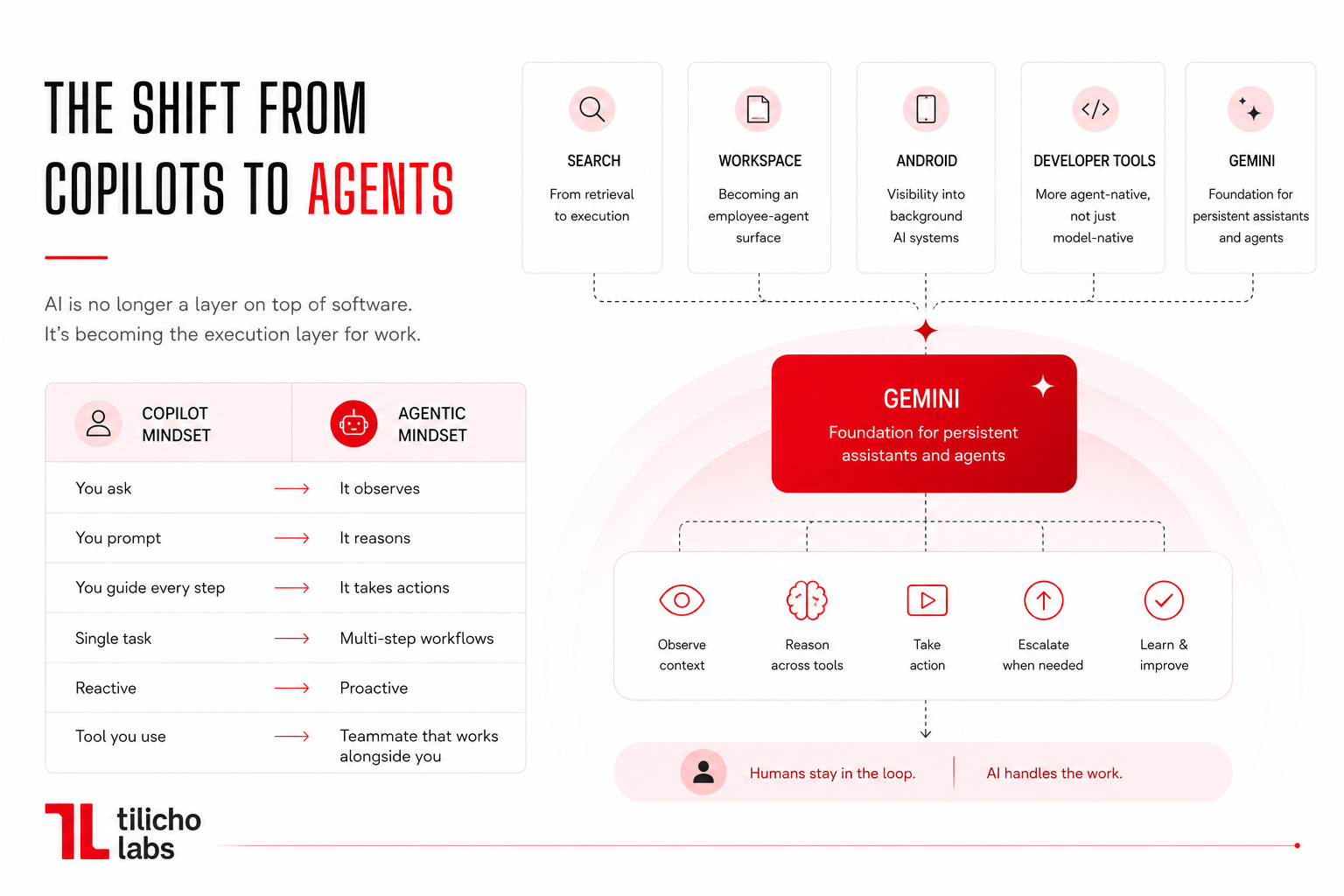
Google I/O 2026 was not important because it introduced more AI features. It mattered because Google showed, with unusual clarity, that the industry is moving from isolated copilots to production-grade agents that can operate across systems, workflows, and interfaces at scale. That is the real headline. Not better chat. Not smarter search. Not more AI in more places. The real shift is that AI is no longer being presented as a layer on top of software. It is being positioned as a new execution l

Read article

Beyond the AI Subscription Time Bomb: Why Internal Model Hosting Matters

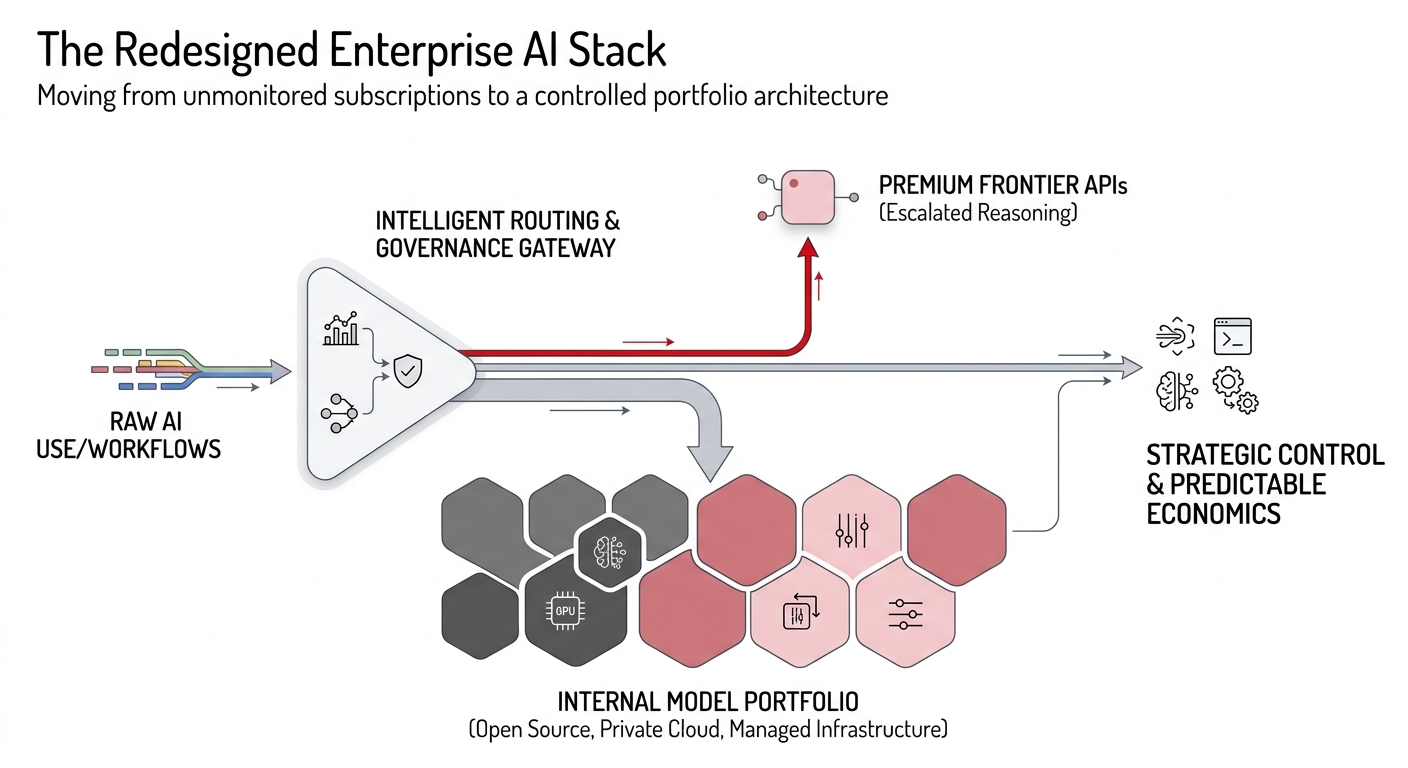
This post responds to Adam Patarino’s article, “Every AI Subscription Is a Ticking Time Bomb for Enterprise”, which argues that today’s AI subscriptions often hide the real economics of enterprise usage.  The core warning is directionally right, but the more useful question for engineering leaders is not just whether subscription prices will rise; it is how to redesign the AI stack so pricing shocks, vendor constraints, and compliance demands do not become existential architectural risks. The d

Read article

How Small Language Models (SLMs) Are Replacing Heavy AI Models in Mobile Apps

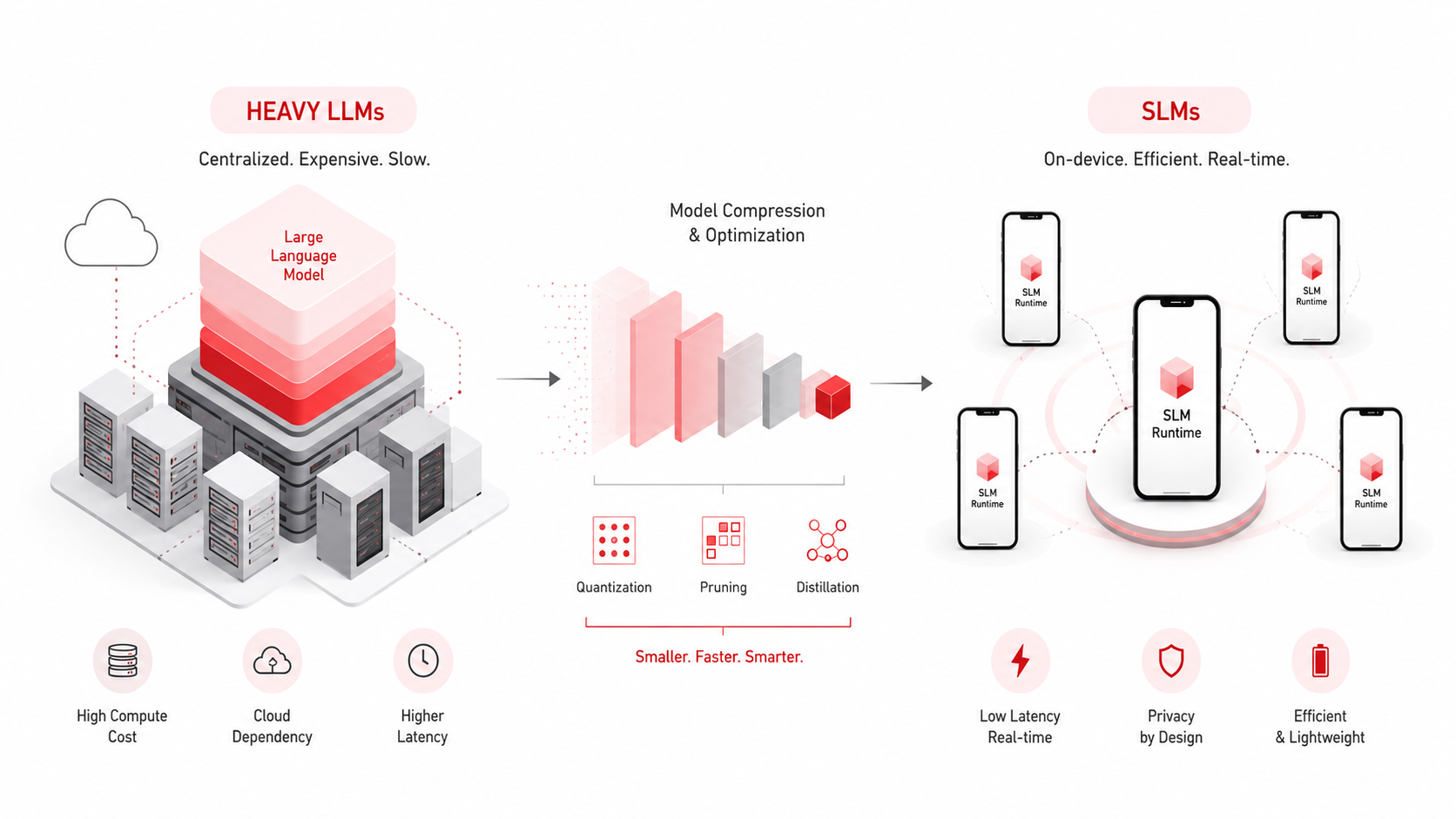
Headline caveat: SLMs are not a universal substitute for frontier LLMs. In production mobile, they increasingly own the workloads that matter for retention fast, frequent, privacy-sensitive, and offline-capable while heavy models stay on the escalation path. This post is written for technical decision-makers who care about implementation maturity and operational realism, not vendor hype. Framing the problem as a system, not a model pick A cloud-hosted 70B-class model can score well on demos.

Read article

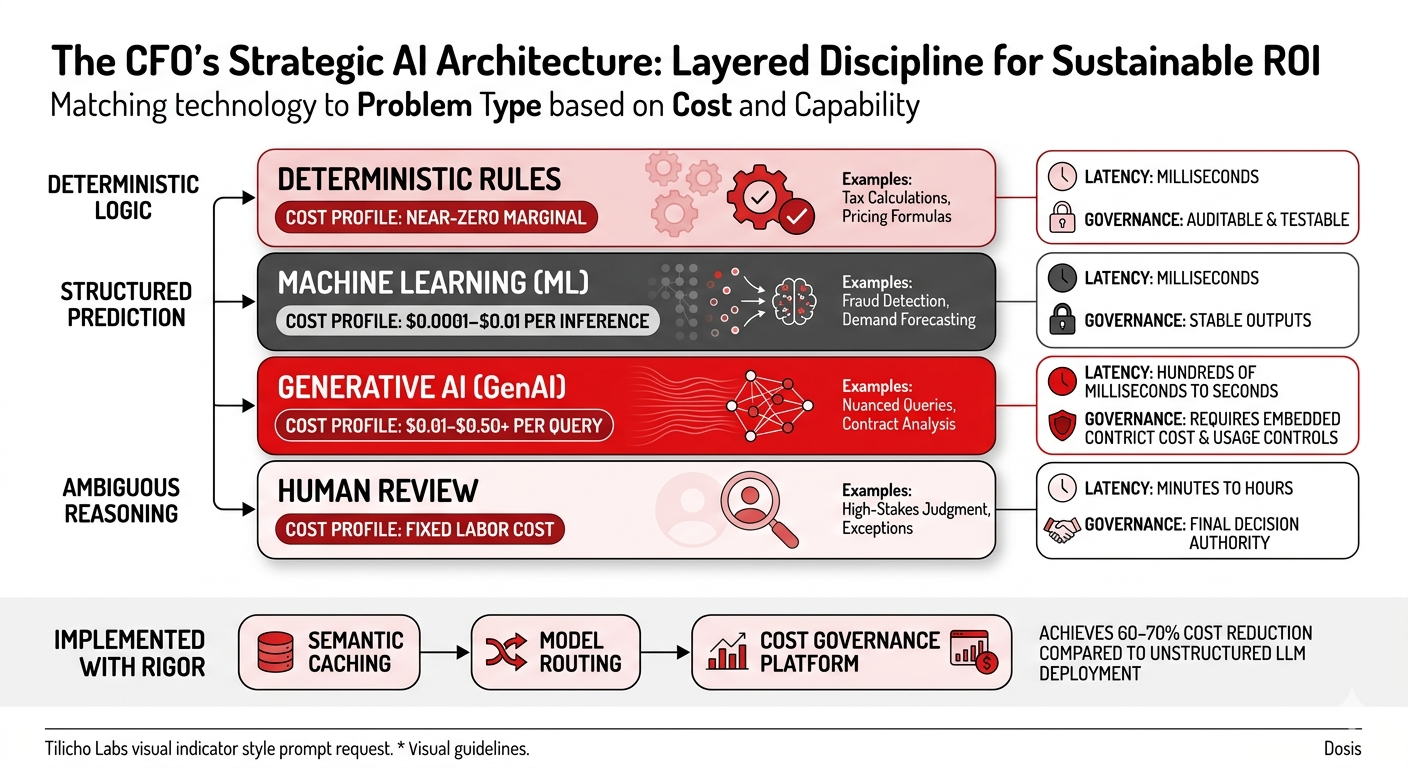
AI Is Expensive. That Is Why Machine Learning Matters More Than Ever.

A Financial Leader's Guide to Architectural Discipline in AI Investment The Budget Reality CFOs Are Now Confronting Enterprise AI spending hit $37 billion in 2025 — and yet 56% of CEOs report that their AI investment has delivered no significant financial benefit: not more revenue, not lower costs. That is not a technology problem. That is an allocation problem. Gartner has quantified what the balance sheets are already showing: through 2028, at least 50% of GenAI projects will overrun their

Read article

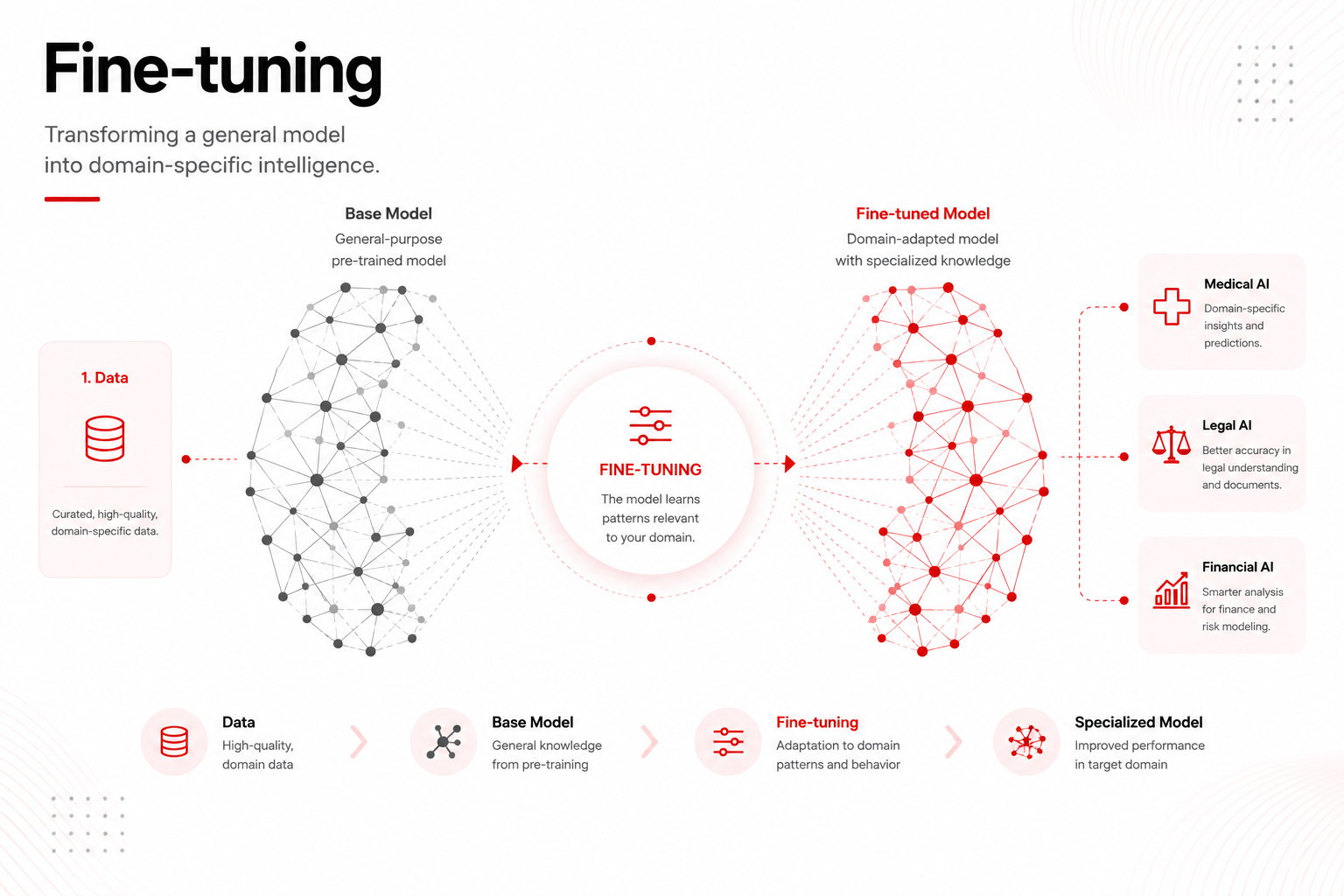
Fine-Tuning AI Models: Teaching an AI to Think Like You

The Problem With "Generic" AI Imagine you hired a brilliant new employee. They graduated top of their class, can discuss almost any topic, write emails, summarise reports, and answer questions faster than anyone you've ever met. But there's a catch: they sound like a textbook. Their emails are polished but feel copy-pasted. Their summaries are accurate but miss the nuance your team cares about. They keep using the wrong terminology for your industry. And no matter how many times you correct th

Read article

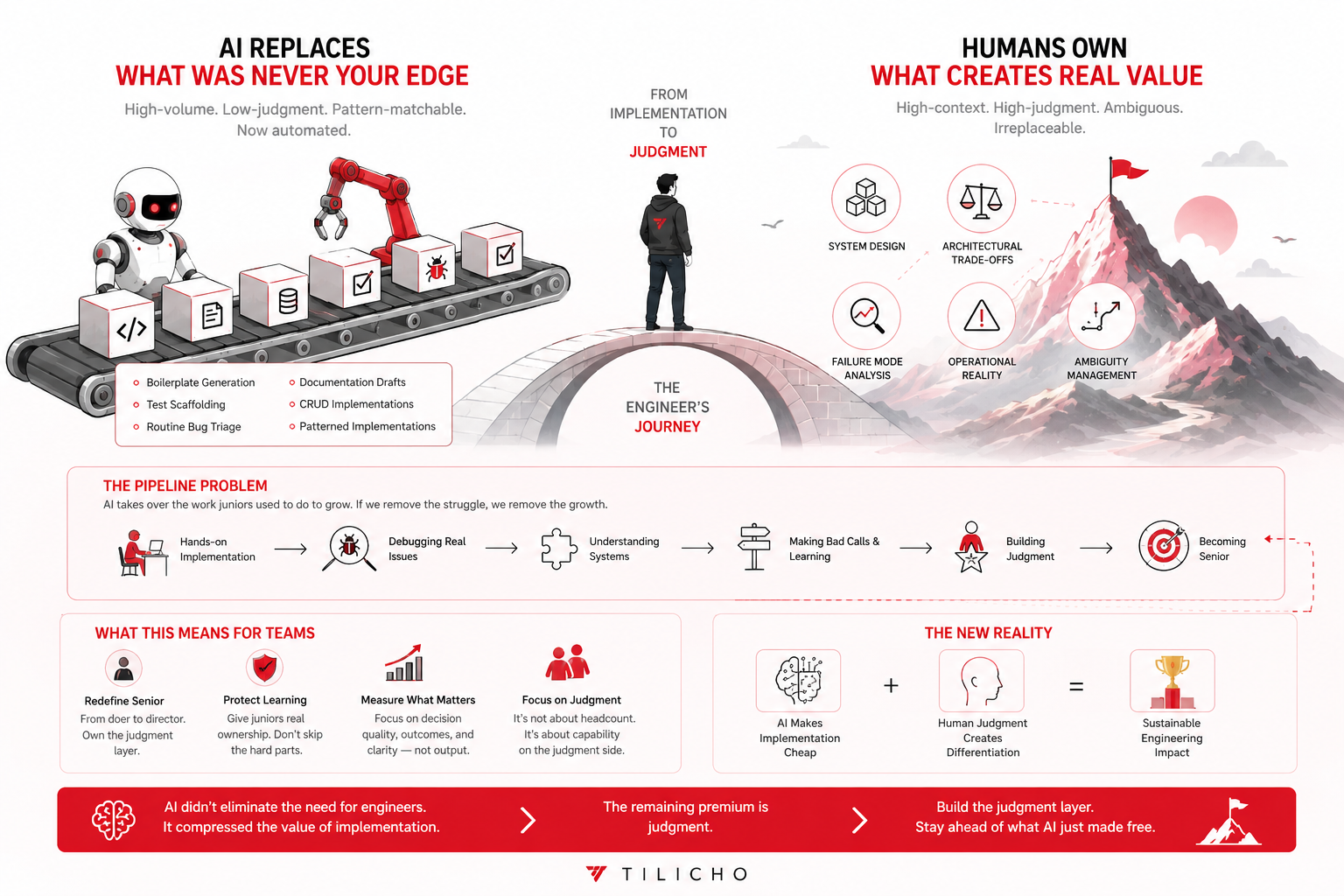
AI Doesn’t Replace Developers. It Replaced the Work That Was Never Your Edge.

There’s a version of this conversation that reassures people. I’m not writing that version Here’s what’s actually happening: AI is systematically absorbing the high volume, low-judgment layer of software engineering — boilerplate generation, test scaffolding, routine bug triage, documentation drafts, CRUD implementa tions that follow a pattern. This work was never your competitive advantage. It was just slow enough to require humans. Now it isn’t What “mediocre work” means precisely When peop

Read article

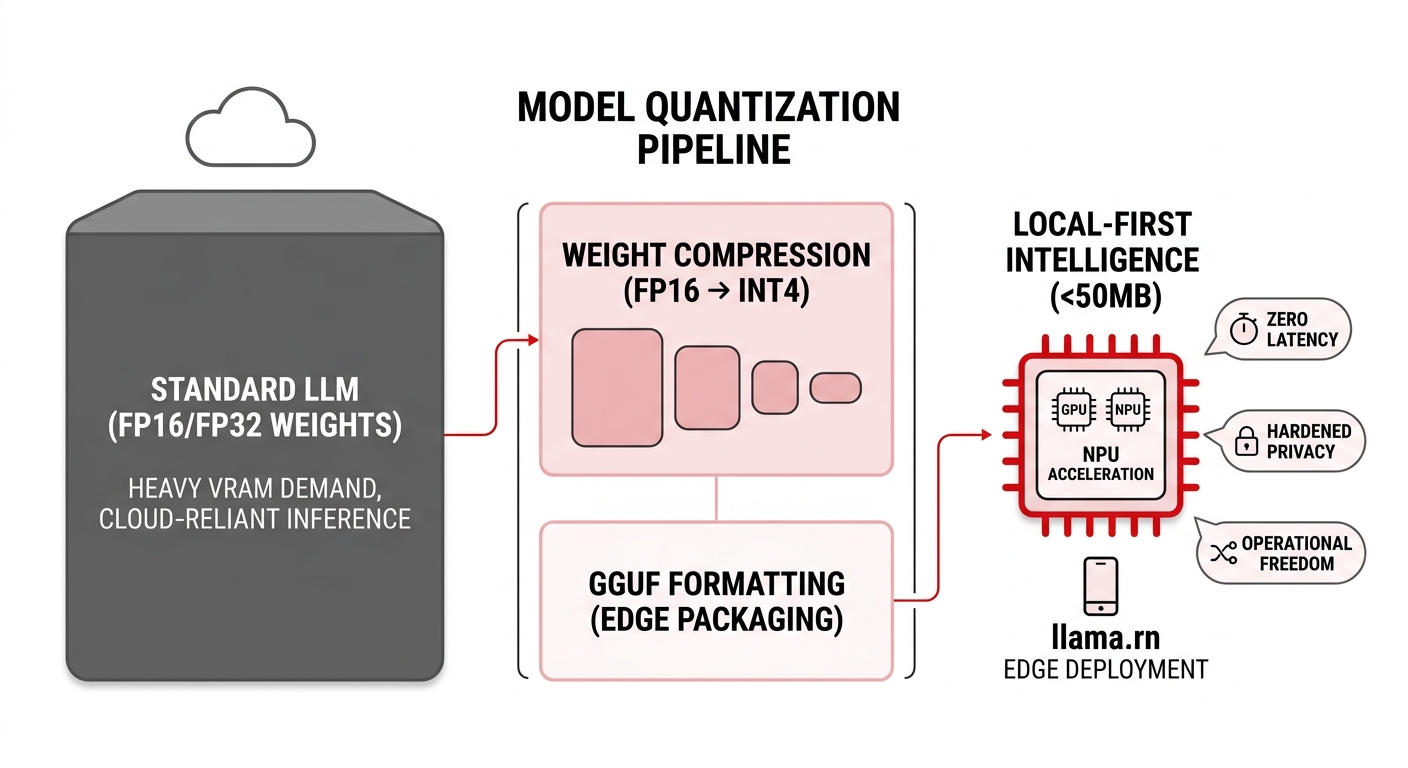
Beyond the Cloud: Engineering Local Intelligence via Model Quantization

The Compute Bottleneck: Why Standard LLMs Fail at the Edge  In our recent architectural sprints, we’ve confronted the primary barrier to pervasive AI: the sheer resource cost of high-parameter models. Standard LLMs are typically stored in 16-bit or 32-bit floating-point precision ($FP16$ or $FP32$). While mathematically precise, these "heavy" weights result in models that demand massive VRAM and continuous server-side "engines" just to perform basic inference. For engineering teams building for

Read article

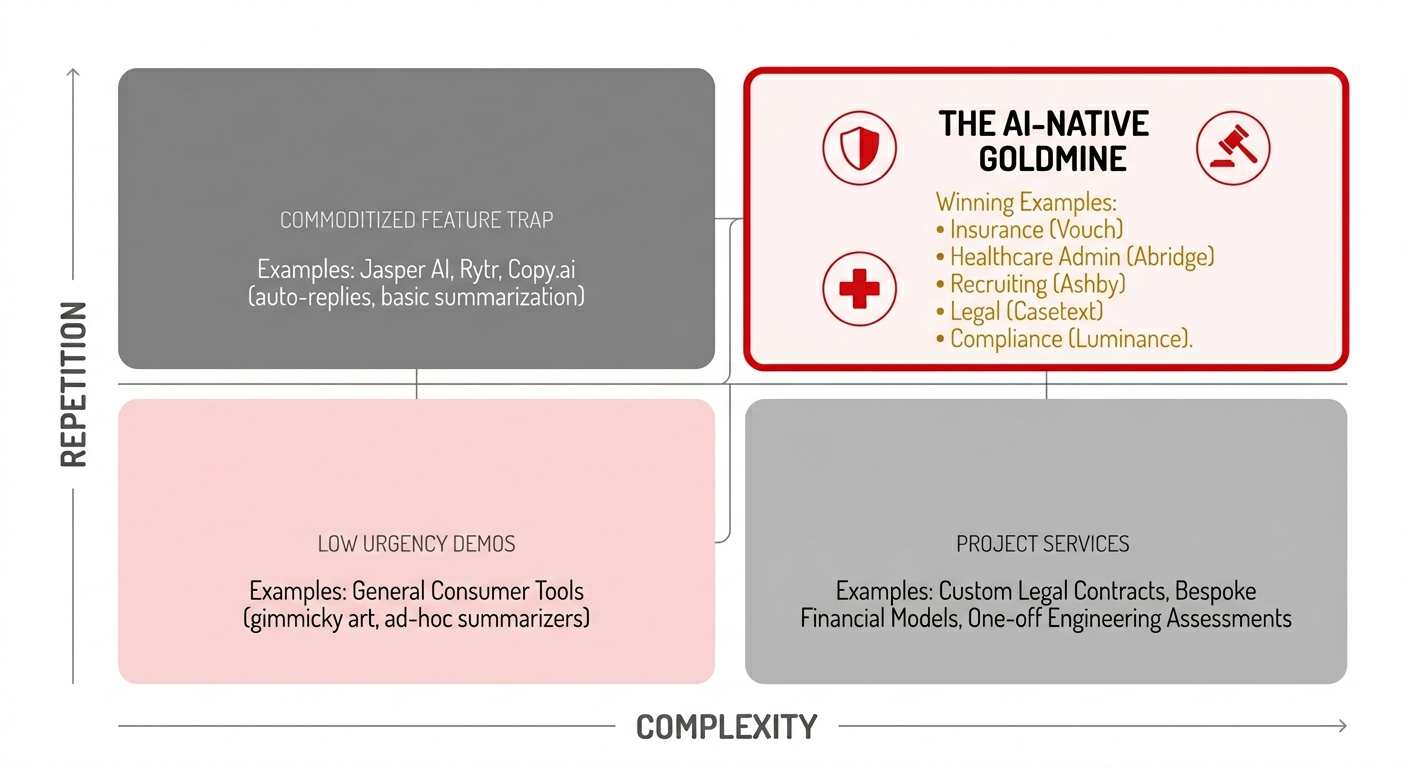
Stop Building in the Wrong Quadrant: The AI-Native Opportunity Map Every Founder Needs

Most AI startups are building in the wrong place. Not because they lack intelligence or resources — but because they haven't mapped the terrain clearly. The loudest quadrant in the room is rarely the one with the money. The AI Native Opportunity Map cuts through the noise with brutal simplicity: two axes, four quadrants, and one clear answer on where AI agents actually win. The Two Axes That Actually Matter The framework plots every potential AI-native workflow on two dimensions: * Workflo

Read article

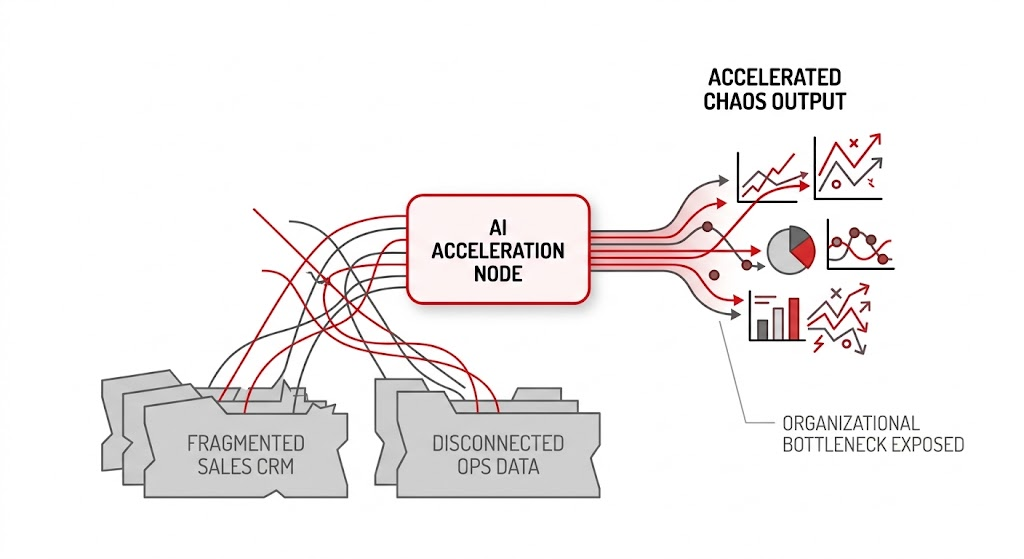
AI Is Not Your Biggest Problem. Your Internal Systems Are.

Most organizations think AI adoption is primarily a tooling challenge. In practice, the first major problems usually appear somewhere else: inside operational systems that were already fragmented long before AI entered the picture. The interesting part is: AI does not create most organizational inefficiencies. It exposes them. When teams begin integrating AI into real workflows, hidden inconsistencies become difficult to ignore. What previously felt manageable through human coordination sud

Read article

Ready to Start Your Project?

Let's discuss how we can help transform your business with innovative digital solutions.